Selecting the best roofing material for your home involves more than just aesthetics; it affects the structure’s durability and your overall energy costs. With an array of materials available, making an informed choice can be challenging. In this blog post, we’ll delve into different roofing options, highlighting their advantages and considerations, to assist you in making a well-informed selection. Our roofing company near me in Wheeling is dedicated to ensuring that you find a roofing solution that not only looks great but also stands the test of time.
1. Asphalt ShinglesAdvantages:
- Affordability: One of the most budget-friendly options available.
- Variety: Wide selection of colors and styles to match any home design.
- Lifespan: Can last between 15-30 years with the right maintenance.
Disadvantages:
- Weather Sensitivity: Prone to damage from extreme weather like strong winds and hail.
- Environmental Impact: Asphalt is not the most sustainable material due to its petroleum base.
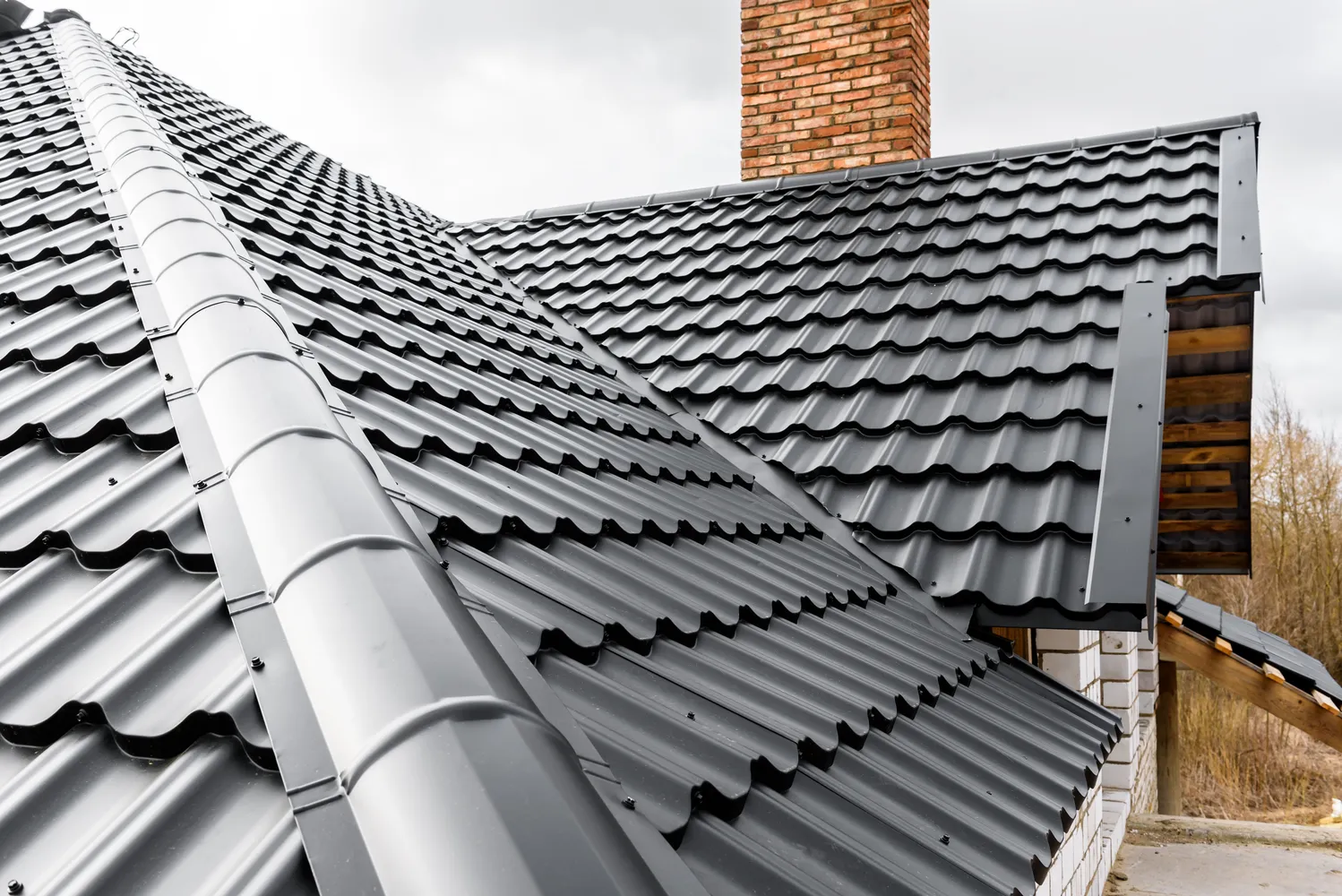
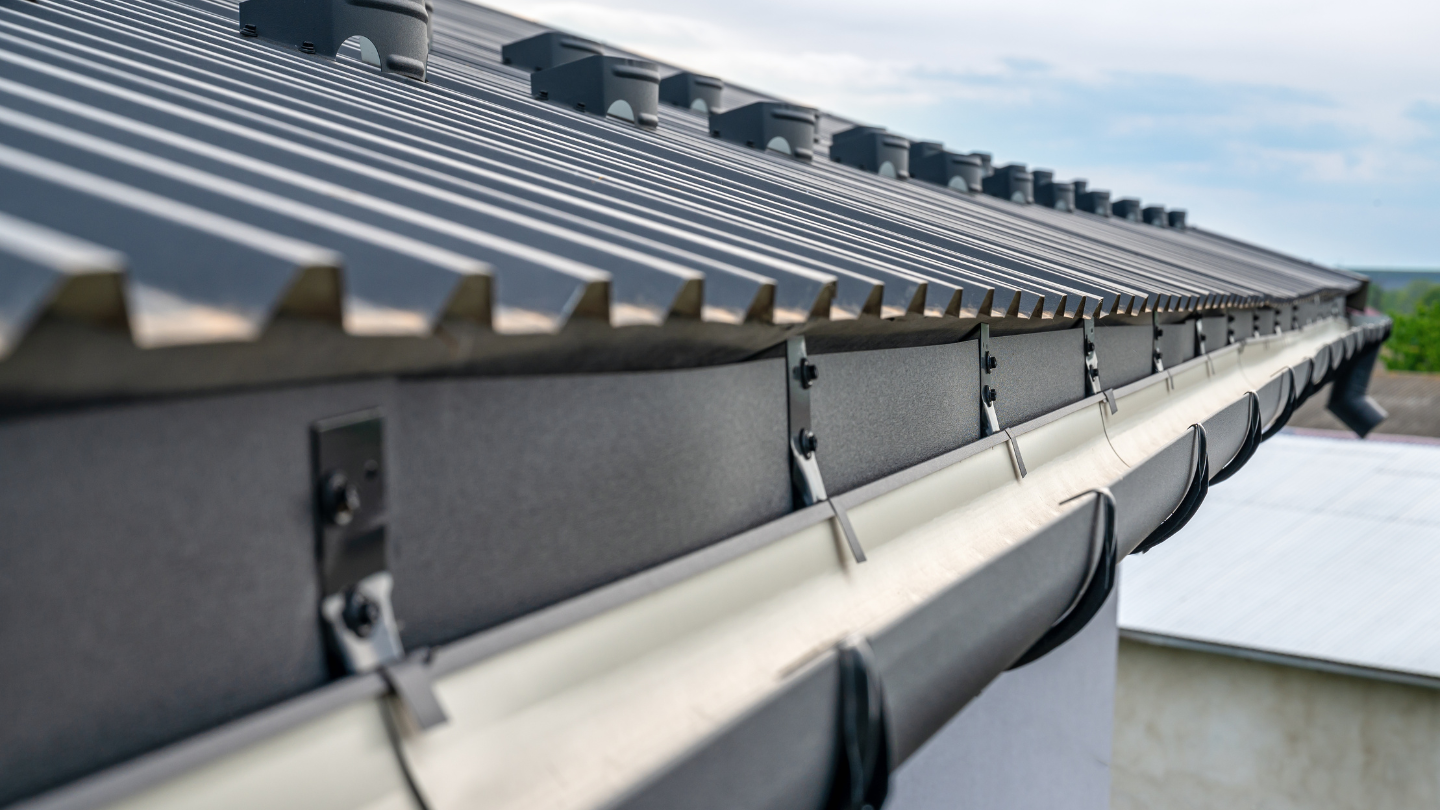
2. Metal RoofingAdvantages:
- Durability: Known for their longevity, metal roofs can last from 40 to 70 years.
- Resistance to Elements: Excellent performance in extreme weather, including resistance to wildfires.
- Energy Efficiency: Reflects sunlight, which can reduce cooling costs significantly.
Disadvantages:
- Cost: Typically more expensive initially compared to other roofing materials.
- Noise: Can be noisy during rain or hail unless properly insulated.
3. Wood Shingles and ShakesAdvantages:
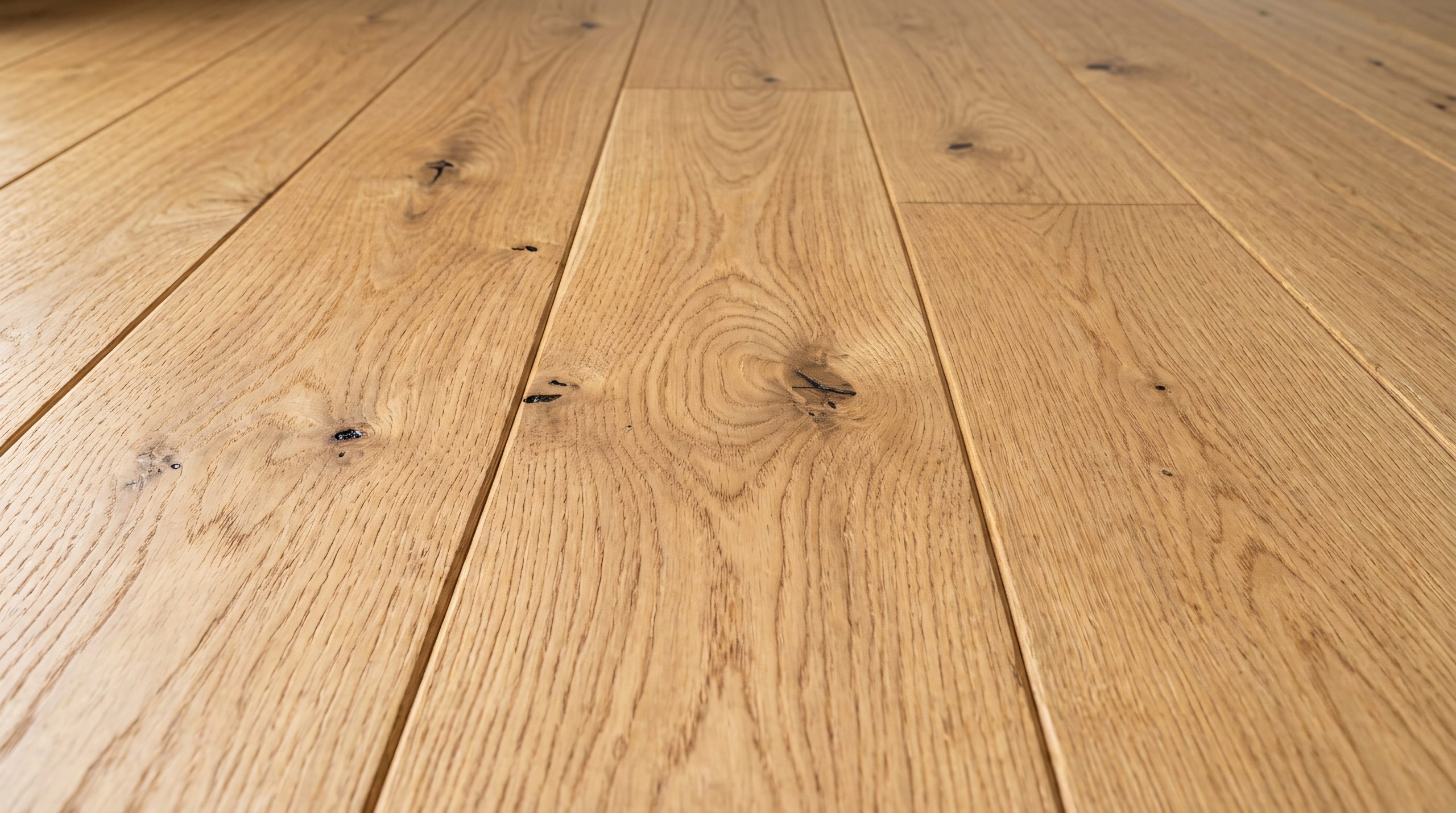
- Aesthetic Appeal: Provides a classic, timeless look.
- Natural Insulator: Offers better insulation compared to other materials.
Disadvantages:
- Maintenance Requirements: Requires ongoing maintenance to prevent deterioration from elements.
- Fire Susceptibility: Higher risk of fire unless treated with fire-retardant materials.
4. SlateAdvantages:
- Extreme Longevity: Can easily last over 100 years with proper installation.
- Visual Appeal: Offers a distinctive, elegant aesthetic.
- Fire Resistance: Naturally resistant to fire.
Disadvantages:
- Weight: Very heavy, often requiring additional structural support.
- High Cost: One of the most expensive roofing options available.
5. Tile (Clay or Concrete)Advantages:
- Long-Term Durability: Typically lasts 50-100 years.
- Robustness: Highly resistant to rot, fire, and pests.
- Cooling Properties: Helps in maintaining a cooler interior climate.
Disadvantages:
- Heaviness: The weight necessitates a robust structural foundation.
- Investment Cost: Generally more costly than simpler materials like asphalt.
6. Synthetic RoofingAdvantages:
- Design Flexibility: Can mimic higher-end materials like slate or wood.
- Durability: Constructed to be long-lasting and withstand severe weather.
- Cost-Effectiveness: Offers a more affordable alternative to natural materials.
Disadvantages:
- Market Newness: Less historical data on long-term performance.
- Quality Variability: Essential to select high-quality options from reputable manufacturers.
Key Considerations
- Climate Adaptability: Choose materials suited to withstand local weather conditions.
- Financial Planning: Evaluate both upfront and long-term maintenance costs.
- Design Compatibility: Ensure the material complements your home’s architectural style.
- Structural Requirements: Check that your home can support the material’s weight.
- Compliance: Follow local building codes and homeowner association regulations.
Choosing the right roofing material is a critical decision that can significantly impact the long-term value and safety of your home. Our roofing company is committed to guiding you through this process, ensuring you select a material that provides durability, aesthetic appeal, and cost-effectiveness. Whether you’re considering traditional asphalt, elegant slate, or a durable metal option, we’re here to help you make the best choice for your specific needs. Contact us for expert advice and professional installation services.