Dust is one of those things everyone deals with and almost nobody thinks about. You wipe a shelf on Monday, and by Thursday a fine gray film is back as if nothing happened. But what exactly is that film? The popular answer is “dead skin,” and while that is part of the story, the real picture is far more interesting and says a lot about how our homes work.
Most of your dust comes from outside
Research on indoor dust suggests that a large share of it, often estimated at around 60 percent, originates outdoors. Soil and street grit ride in on shoes, pollen drifts through open windows, and fine particles from traffic and construction slip in through gaps around doors and vents. Your home is not a sealed box. It breathes, and every breath brings a little of the outside world with it.
The rest is a mix of materials from inside the house: fibers shed by carpets, clothing and upholstery, crumbs, pet dander, hair, paper particles and yes, skin cells. The exact recipe depends on your household. A home with two dogs and a wool rug will produce very different dust than a minimalist apartment with hardwood floors.
Dust is a tiny ecosystem
Here is the part most people would rather not know: dust is alive, in a sense. Dust mites, microscopic relatives of spiders, feed on shed skin flakes and thrive in warm, humid places like mattresses, pillows and upholstered furniture. They cannot drink water, so they absorb moisture from the air, which is why they flourish when indoor humidity creeps above roughly 50 percent. Their droppings are one of the most common indoor allergy triggers.
Dust also acts like a sponge for other substances. Studies have found that it can hold traces of chemicals from furniture, electronics and household products. That is one reason regular dusting and vacuuming matter for more than appearances, especially in homes with small children who spend a lot of time on the floor.
Why dust keeps coming back so fast
If you feel like you are losing the battle, you are not imagining it. Many common cleaning habits simply move dust around instead of removing it. A dry cloth or feather duster lifts particles into the air, where they float for a while and then settle right back down, often on the surface you just cleaned. Meanwhile, dust builds up in places that are easy to overlook: ceiling fan blades, air vents, baseboards, the tops of door frames and the space under furniture.
Smarter ways to keep dust under control
- Work top to bottom. Dust shelves and fans first, then vacuum the floor last so anything that falls gets picked up.
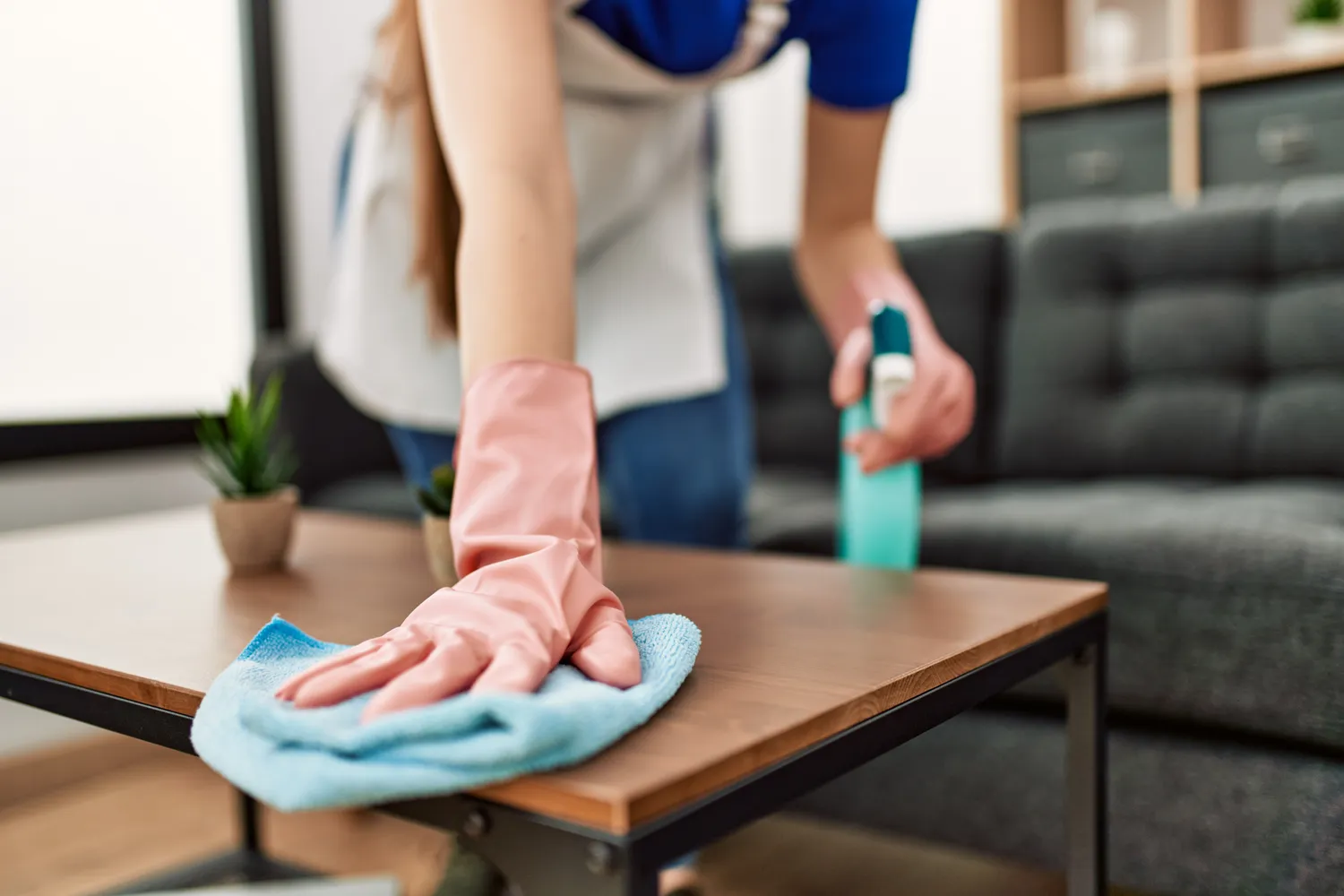
- Use damp microfiber. A slightly damp microfiber cloth traps particles instead of scattering them.
- Choose a HEPA vacuum. True HEPA filters are designed to capture 99.97 percent of particles at 0.3 microns, so fine dust does not get blown back out.
- Stop dust at the door. A good doormat and a shoes-off habit can noticeably cut how much outdoor grit enters your home.
- Wash bedding weekly in hot water. This is one of the most effective ways to keep dust mites in check.
- Watch the humidity. Keeping indoor humidity moderate makes your home less inviting to mites.
When a deeper clean makes sense
Everyday habits go a long way, but some dust hides where a quick weekly wipe never reaches. Vents, fan blades, window tracks and upholstery benefit from a thorough deep clean every so often. If you have been searching for cleaning services near me Des Plaines, a professional team can tackle those hard-to-reach spots with the right tools and a systematic approach, so your home stays fresher between visits.
The same goes for larger homes with lots of carpet and soft furnishings, where dust tends to settle deep into fibers. For families looking for cleaning services near me Aurora, regular professional cleaning can make a real difference in how clean the air feels and how often you find yourself reaching for the duster.
The takeaway
Dust is not just a sign of a messy home. It is a natural result of living in a space that constantly exchanges air and particles with the world around it. You cannot eliminate it completely, but with the right methods, and a little help when you need it, you can keep it from taking over.