Microblading in the Windy City: What Chicagoans Should Know Before Their First Session
Thick, natural-looking brows have become one of the most requested beauty upgrades of the past decade, and it is easy to see why. Eyebrows frame the face, express emotion and quietly shape how symmetrical we appear to others. For people who spend their mornings filling in sparse arches with pencil and powder, microblading offers a way to wake up with brows already in place. If you have been curious about microblading Chicago options, here are a few interesting facts that might surprise you.
It is technically a tattoo, but not the kind you think
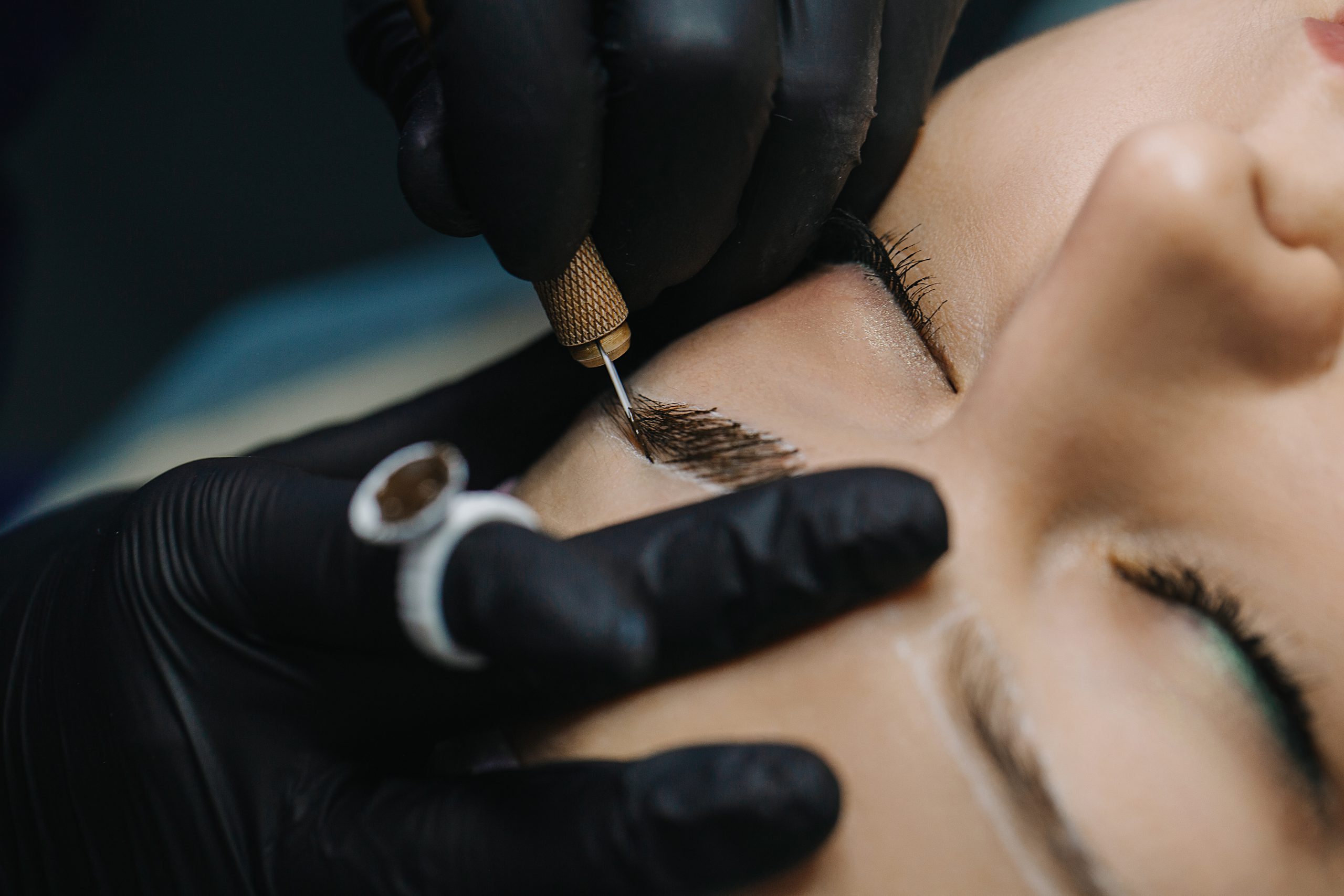
Microblading is a form of semi-permanent cosmetic tattooing. Instead of a machine, the artist uses a hand tool with a row of tiny needles arranged in a fine blade. Pigment is deposited into the upper layers of the skin in individual strokes that mimic real hairs. Because the pigment sits more shallowly than a traditional tattoo, the result softens over time rather than staying forever. Most people see their strokes gradually fade over one to three years depending on skin type, sun exposure and lifestyle.
The technique has roots in Asia
Although microblading feels like a modern trend, hand-tool brow tattooing has been practiced in parts of Asia for decades. Japanese and Korean artists refined the fine-stroke method long before it became popular in the United States around the mid-2010s. The name itself refers to the small blade shape of the tool, and many of the tools used today are still manufactured in East Asia.
Oily skin behaves differently
One of the most useful things to know before a consultation is that skin type matters a great deal. Dry to normal skin tends to hold crisp hair strokes beautifully. Oily skin, on the other hand, can cause strokes to blur slightly as the skin produces sebum and cells turn over faster. That does not mean oily-skinned clients cannot have microblading, but an experienced artist may recommend a combination technique that blends strokes with soft shading for a longer-lasting look.
Chicago weather plays a role in healing
Living near Lake Michigan means dealing with extremes. Winter air is cold and dry, summer is humid, and the wind seems to blow year-round. During the first week or two after microblading, the brow area forms light scabs and should be kept clean and protected. Sweat, swimming and prolonged sun exposure can all affect how pigment settles, so many locals prefer to plan their session around a calmer stretch of the year, away from peak beach days and holiday travel. A little planning goes a long way.
The brows will look darker at first
Freshly microbladed brows usually appear bolder and darker than the final result. This is completely normal. As the skin heals, the top layer sheds, and the pigment beneath softens by roughly thirty to forty percent. There is often an awkward stage in the middle of healing when the strokes seem to disappear entirely, only to reemerge a couple of weeks later. Patience is part of the process.
Color science is more complex than choosing brown
Artists do not simply pick a shade that matches your hair. They consider the undertones of your skin, how pigments shift as they heal and how the color will age. Some pigments have a tendency to turn slightly warm or cool over time, and a skilled artist will mix a custom blend to counteract that. This is why two people with identical hair color may receive noticeably different pigment formulas.
A touch-up is part of the plan
Microblading is typically completed in two stages. The initial session lays the foundation, and a follow-up visit several weeks later refines the shape, fills in any strokes that did not retain pigment and adjusts the color if needed. Skipping this second step is one of the most common reasons results end up patchy.
Questions to ask before you commit
When comparing microblading Chicago artists, look at healed photos rather than just fresh work, ask about their training and certification, confirm that single-use sterile tools are used and pay attention to whether they take the time to map your brows before touching skin. Good brow mapping accounts for facial symmetry, bone structure and how your features move when you speak or smile.
Microblading can be a life-changing convenience for people who value their mornings, but the best results come from understanding the process and choosing an artist who treats it as both an art and a science.