Why Hardwood Floors Creak in January and Swell in July
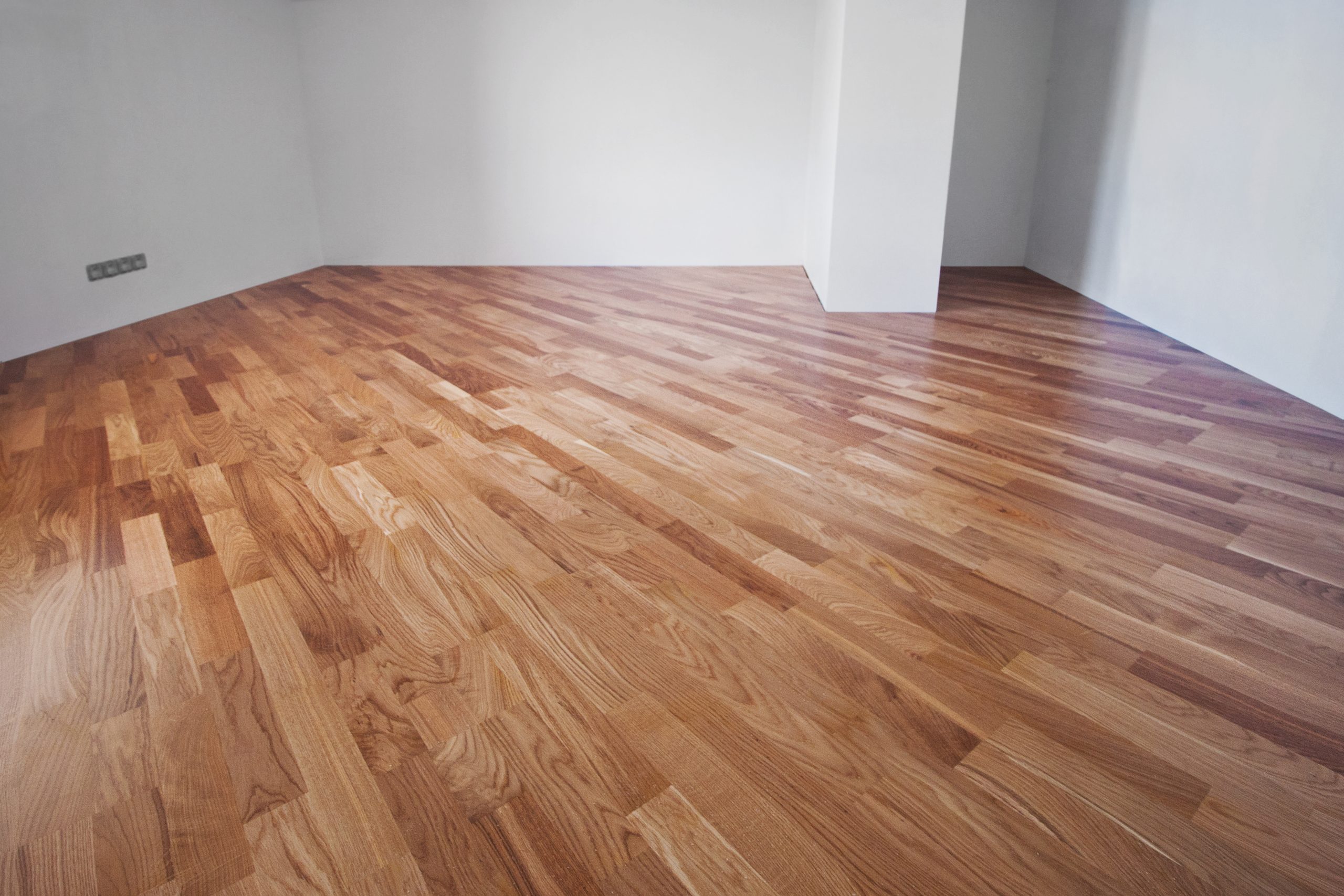
Every winter, somewhere around the second week of the furnace running full time, homeowners across northern Illinois notice the same thing: thin dark lines appearing between the floorboards, and a few new creaks on the way to the kitchen. By mid-summer the lines have vanished and the creaks are quieter. The floor isn’t failing. It’s breathing.
Wood never stops exchanging moisture
A hardwood board is not a static object. Wood is hygroscopic, which means it continuously absorbs and releases water vapor to stay in balance with the surrounding air. The target is called equilibrium moisture content, and for most homes it sits between 6 and 9 percent. When a house’s relative humidity drops to 20 percent in January (a heated home in winter can be drier than a desert), the boards release moisture and shrink. When summer humidity climbs past 60 percent, they absorb it and expand.
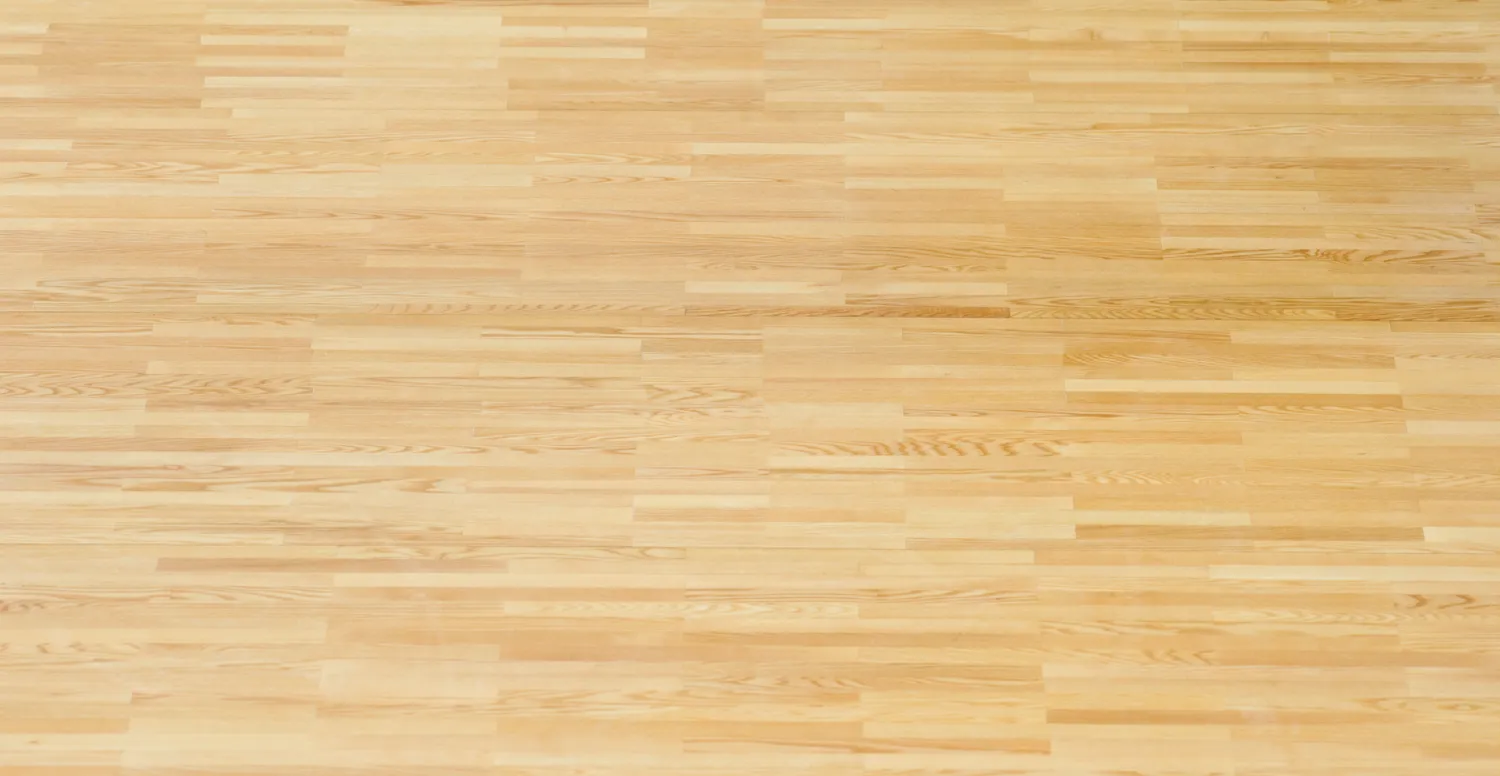
The movement is almost entirely across the width of the board, not along its length. That’s why gaps appear between planks rather than at the ends. A 3-inch strip of red oak can change width by roughly a sixteenth of an inch between a dry winter and a humid summer, which across a 12-foot room adds up to almost three-quarters of an inch of total movement.
Winter gaps are normal; permanent gaps are not
Seasonal gaps that close again in summer are nothing to worry about. Filling them is actually a mistake: the filler gets crushed and pushed out when the boards expand. The time to be concerned is when gaps stay open year-round, which usually means the floor was installed with wood that hadn’t been acclimated to the house, or the home has a chronic humidity problem.
This is one reason people researching hardwood floor installation near me Palatine hear so much about acclimation. New flooring should sit inside the home, with the HVAC running at normal settings, for several days before it’s laid, so that it reaches the moisture level it will live at. Skipping this step is the most common cause of floors that gap or buckle within the first year.
Cupping, crowning and what they tell you
Two other shapes a board can take reveal a lot about the house. Cupping, where the edges of each board rise above the center, happens when the underside of the floor is wetter than the top: a damp crawlspace, a basement with poor ventilation, or a slab that’s wicking moisture. Crowning, the opposite, where the center rises, often appears after a cupped floor was sanded flat while still wet; once it dries, the edges shrink below the newly flattened center.
Both conditions are diagnostic. Fixing the floor without fixing the moisture source is a temporary repair at best.
The humidifier question
The single most effective thing a homeowner can do for a hardwood floor in a Midwest climate is to control indoor humidity. Whole-house humidifiers attached to the furnace keep winter levels around 35 to 40 percent, which dramatically reduces shrinkage and the creaking that comes with it. In summer, air conditioning and dehumidifiers do the opposite job. Floors living in a 35 to 55 percent band year-round barely move at all.
Anyone comparing options after searching hardwood floor installation near me Schaumburg will find that this advice applies regardless of species or brand; it’s about the house, not the product.
Why creaks happen
A creak is usually two pieces of wood rubbing together, or a nail moving in its hole. When boards shrink in winter, they loosen slightly against the subfloor and against each other, and every footstep produces a tiny squeak. Humid weather tightens things up again. Persistent creaks in the same spot, in every season, tend to point to a subfloor issue rather than the flooring itself.
Radiant heat changes the rules
Floors over hydronic radiant heat face a tougher version of the same problem: heat rising from below dries the wood from the bottom up. Narrow boards, quartersawn lumber (where the grain runs vertically and moves less) and engineered construction all cope better. Wide solid planks over radiant heat are a recipe for gaps.
Homeowners in older housing stock sometimes learn this the hard way when a renovation adds radiant heat under an existing floor. Searches for hardwood floor installation near me Niles, where many homes date from the 1950s and 60s, often start with exactly that scenario.
Working with the material, not against it
The best way to think about a hardwood floor in a four-season climate is as a living surface that will always move a little. Good installation anticipates that movement with expansion gaps at the walls (hidden under the baseboard) and properly acclimated wood. Good maintenance means managing humidity rather than fighting the symptoms.
Whether a project begins with a search for hardwood floor installation near me Palatine, hardwood floor installation near me Schaumburg or hardwood floor installation near me Niles, the floor that results will do the same thing every floor has done for centuries: tighten in summer, loosen in winter, and quietly keep track of the seasons underfoot.